Maximize Property Value with Thorough Inspections
- Martin Golden III

- Apr 13
- 4 min read
When it comes to buying or selling a property, the stakes are high. A thorough inspection can be the difference between a successful transaction and a costly mistake. Understanding the importance of property inspections is crucial for homeowners, real estate agents, and investors alike. This blog post will explore how thorough inspections can maximize property value, ensuring that you make informed decisions and protect your investment.
The Importance of Property Inspections
Property inspections serve as a comprehensive evaluation of a property's condition. They help identify potential issues that could affect the value of the property. Here are some key reasons why property inspections are essential:
Uncover Hidden Problems: Many issues, such as plumbing leaks or electrical problems, may not be visible during a casual walkthrough. A thorough inspection can reveal these hidden problems, allowing you to address them before they escalate.
Negotiation Leverage: If an inspection uncovers significant issues, you can use this information to negotiate a better price or request repairs from the seller.
Peace of Mind: Knowing the true condition of a property can provide peace of mind for buyers and sellers alike. It ensures that you are making a sound investment.
Future Planning: Inspections can help you plan for future repairs and maintenance, allowing you to budget accordingly.
Types of Property Inspections
There are various types of property inspections, each serving a specific purpose. Understanding these can help you choose the right inspection for your needs.
General Home Inspection
A general home inspection is the most common type of inspection. It covers the overall condition of the property, including:
Structural integrity
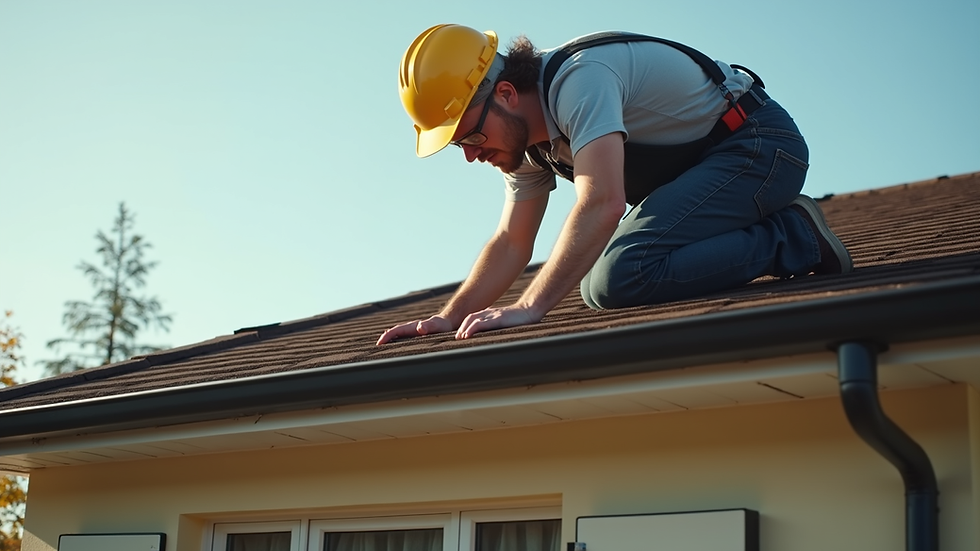
Roof condition
Plumbing and electrical systems
Heating and cooling systems
Interior and exterior conditions
Specialized Inspections
In addition to general inspections, specialized inspections may be necessary depending on the property's age, location, and condition. Some examples include:
Pest Inspections: These inspections check for signs of infestations, such as termites or rodents, which can cause significant damage.
Mold Inspections: Mold can pose health risks and damage property. A mold inspection identifies any existing mold and assesses the need for remediation.
Radon Testing: Radon is a colorless, odorless gas that can be harmful in high concentrations. Testing for radon is crucial, especially in certain geographic areas.
Foundation Inspections: If there are signs of foundation issues, a specialized inspection can assess the extent of the damage and recommend repairs.
Choosing the Right Inspector
Selecting a qualified inspector is critical to ensuring a thorough evaluation. Here are some tips for choosing the right inspector:
Check Credentials: Look for inspectors who are certified and have relevant experience. Membership in professional organizations can also indicate a commitment to quality.
Read Reviews: Online reviews and testimonials can provide insight into an inspector's reputation and reliability.
Ask for Samples: Request sample inspection reports to gauge the level of detail and clarity provided.
Inquire About Experience: An inspector with experience in your specific property type (e.g., older homes, condos) will be better equipped to identify potential issues.
The Inspection Process
Understanding the inspection process can help you prepare and make the most of the experience. Here’s what to expect during a typical property inspection:
Scheduling the Inspection: Coordinate with the seller or real estate agent to schedule a convenient time for the inspection.
Pre-Inspection Walkthrough: The inspector may conduct a brief walkthrough with you to discuss any specific concerns or areas of focus.
Thorough Evaluation: The inspector will systematically evaluate the property, taking notes and photographs as needed.
Post-Inspection Review: After the inspection, the inspector will provide a detailed report outlining their findings, including any recommended repairs or further evaluations.
Understanding the Inspection Report
Once you receive the inspection report, it’s essential to understand its contents. Here are some key components to look for:
Summary of Findings: Most reports will include a summary section highlighting major issues that need immediate attention.
Detailed Descriptions: Each issue should be described in detail, including its location and potential implications.
Photographs: Visual evidence can help clarify the inspector's findings and provide context for the issues identified.
Recommendations: The report should include recommendations for repairs or further evaluations by specialists.
Addressing Inspection Findings
After reviewing the inspection report, you may need to take specific actions based on the findings. Here are some common steps to consider:
Negotiating Repairs
If significant issues are identified, you can negotiate with the seller to address these problems before finalizing the sale. This may involve:
Requesting repairs be completed prior to closing.
Asking for a price reduction to account for the cost of repairs.
Seeking a credit at closing to cover repair costs.
Planning for Future Repairs
Even minor issues identified during the inspection may require attention in the future. Use the inspection report to create a maintenance plan, prioritizing repairs based on urgency and budget.
Consulting Specialists
For complex issues, such as structural problems or pest infestations, it may be necessary to consult specialists. They can provide a more in-depth evaluation and recommend appropriate solutions.
The Impact of Inspections on Property Value
Thorough inspections can significantly impact property value in several ways:
Informed Buyers: Buyers are more likely to pay a fair price for a property that has been thoroughly inspected and is in good condition.
Reduced Risk of Future Costs: Addressing issues before they escalate can prevent costly repairs down the line, preserving property value.
Marketability: Properties with recent inspections and documented repairs are often more attractive to potential buyers, leading to quicker sales and potentially higher offers.
Conclusion
Maximizing property value through thorough inspections is a smart strategy for both buyers and sellers. By understanding the importance of inspections, choosing the right inspector, and addressing any findings, you can protect your investment and ensure a successful transaction. Remember, a well-maintained property not only holds its value but can also appreciate over time. Take the next step in your real estate journey by prioritizing thorough inspections and making informed decisions.


Comments